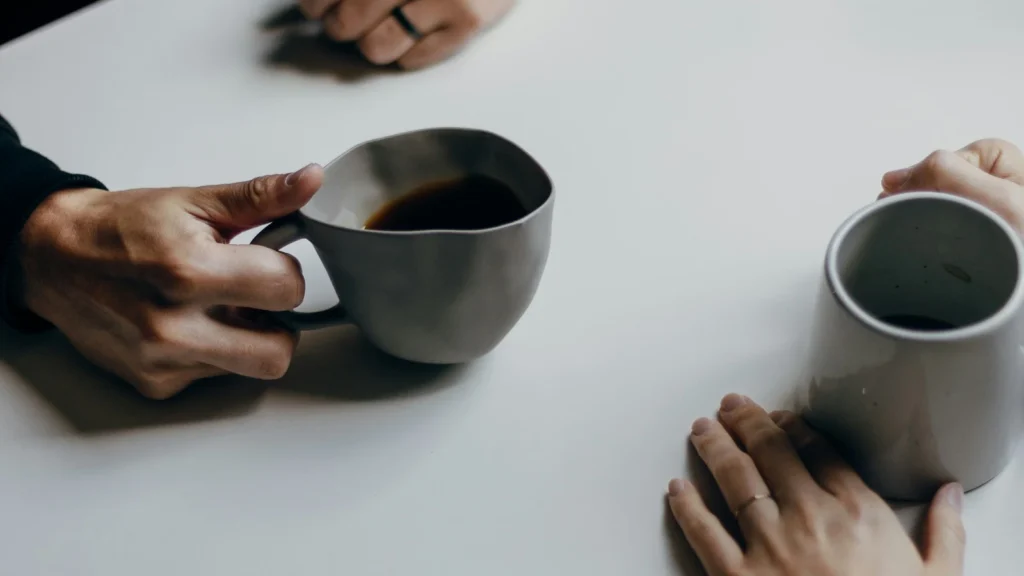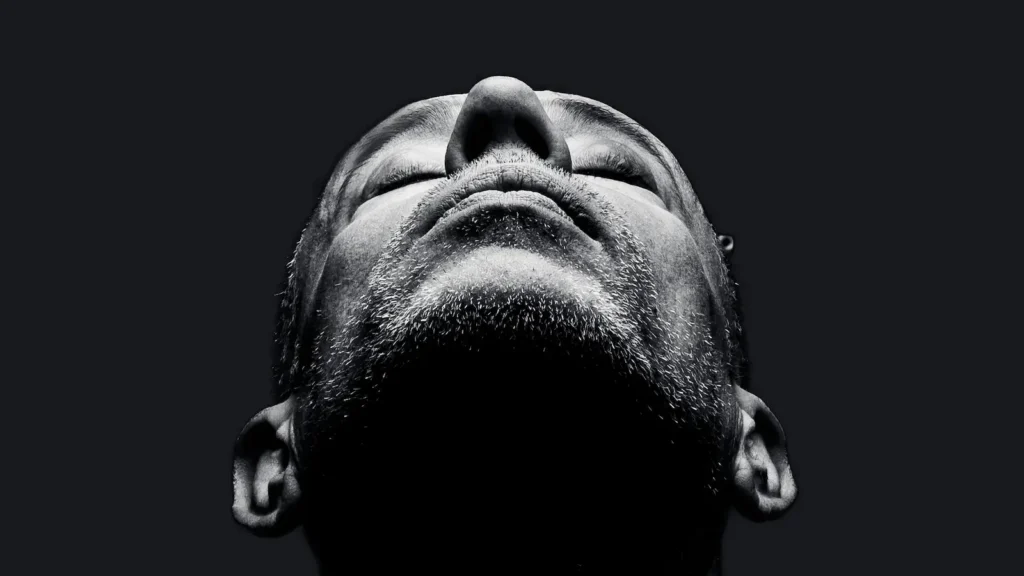
There is a particular kind of dread that shows up the moment you decide to begin something new. Not the new thing itself, but the realization that you’ll be a beginner again. The blank page. The empty profile. The job where nobody knows your name yet. Your stomach drops, and a voice somewhere in the back of your head says: you already did this once, why are you back at the bottom?
That voice is loud, and it is mostly wrong.
The fear of starting over is real, but it almost never matches the experience of actually doing it. Most of the weight lives in the anticipation. Once you’re moving, the thing you were so afraid of tends to dissolve into a series of ordinary, manageable days. The terror is front-loaded. The reality is just work.
You are not starting from zero
This is the part the fear conveniently leaves out. When you start over, you don’t arrive empty-handed. You arrive carrying everything the last attempt taught you.
You know how to fail now, which is not nothing. You know how a thing falls apart, which means you can see the cracks earlier this time. You know what bored you, what drained you, what you quietly resented even when it was going well. You know your own patterns better than you did the first time you tried.
Starting over looks like starting from zero only if you measure progress in job titles or follower counts or the specific skills that no longer apply. Measured in judgment, in taste, in the ability to tell a good direction from a bad one, you are starting from somewhere much further along than the version of you who began the first time. The slate is never as blank as it appears.
The past you’re “wasting” isn’t wasted
A big share of the fear is really about sunk cost. You spent years building something, and changing course feels like throwing those years away. So you stay, not because the thing is right, but because leaving would mean admitting the time is gone.
But the time isn’t gone. The years you spent learning a craft you’re about to leave behind didn’t vanish. They shaped how you think, how you solve problems, how you carry yourself in a room. A footballer who stops playing doesn’t lose the discipline, the read on a situation, the comfort with pressure. Those travel with you into whatever comes next, often into places you’d never expect them to matter.
Nothing you genuinely learned is ever fully wasted. It just gets repurposed. The fear treats your past as a receipt for something you no longer own. It’s closer to a toolkit you get to keep.
You’ve done this more times than you remember
Here is the quiet truth that takes the edge off all of it. You have started over many times already, and you survived every single one.
You started over when you changed schools, changed cities, ended a relationship, took a job in a field you didn’t fully understand. Each time, the same dread showed up beforehand, insisting this time would break you. Each time, you found your footing faster than you expected. You made the new thing familiar, the way humans always do.
We forget this because we only feel the fear in advance and rarely look back to notice how routine the recovery became. If you actually counted your fresh starts, the evidence would be overwhelming: you are good at this. You have a track record. Beginning again is not some untested ordeal. It’s a thing you have a long history of getting through.
Beginner has its own advantages
There’s a strange freedom in being new that we forget while we’re busy mourning our old expertise. When you’re a beginner, no one expects you to have all the answers, which means you can ask the obvious questions everyone else is too proud to ask. You can try things the veterans have decided are impossible, because nobody told you they were.
Expertise is comfortable, but it quietly narrows your vision. You stop seeing the field clearly because you already know how it works, or think you do. Starting over hands you back your eyes. For a while, you get to see everything fresh, notice what’s broken, imagine what could be different. That clarity has a short shelf life. It’s worth using while you have it.
The fear is a sign, not a verdict
If starting over felt easy, it probably wouldn’t be worth doing. The fear is usually pointing at something that matters to you, something you actually care about enough to risk being bad at it again. That’s not a reason to retreat. It’s a sign you’re aimed at the right thing.
So when the dread shows up, and it will, try to read it correctly. It is not a warning that you’re about to fail. It is the ordinary discomfort of growth, the tax you pay for refusing to stay smaller than you are. Everyone who ever built something they were proud of paid it. None of them were exempt from the fear. They just stopped letting it cast the deciding vote.
You already know how to begin. You’ve done it before, more times than the fear wants you to remember. The bottom of this new climb is higher than the last one, even if it doesn’t feel that way yet.
Start. The scary part is mostly the part before you do.